

Navigating Your Home Loan Journey
Purchasing your first home is a significant milestone. As you embark on this exciting journey, understanding the nuances of HDB and bank loans is crucial. This guide will help you make informed decisions to secure the best financing options for your dream home.
Whether you’re considering an HDB loan or a bank loan, each option comes with its own set of advantages and disadvantages. Let’s explore the key differences to help you make the right choice.
Comparison of HDB Loans and Bank Loans
| Features | HDB Loan | Bank Loan |
|---|---|---|
| Interest Rates | Currently 2.6% (0.1% above the CPF Ordinary Account interest rate | Variable, based on market conditions (including fixed-rate options with subsequent floating rates) |
| Downpayment | 25% in CPF or Cash | 5% in cash + 20% in cash or using CPF OA savings |
| Eligibility | – Income ceiling applies (S$14,000 for couples, S$21,000 for extended families); at least one Singapore Citizen buyer required – Depends on MSR – Loan Limit: 2 times max | – No income ceiling; anyone eligible to buy an HDB flat can apply. – Depends on TDSR and MSR – Loan Limit: No Limit |
| Loan Tenure | Maximum of 25 years | Maximum of 30 years |
| Loan-to-Value (LTV) Ratio | 75% (Updated as of 2024) | 75% |
| Refinancing | Can be refinanced to a bank loan | Cannot be refinanced to an HDB loan |
| Early Repayment & Late Payment Chargers | No penalty for early repayment. Late Payment Rate: 8.1% per annum from 1 November 2023 to 31 March 2024. The rate is reviewed bi-annually. | An early repayment penalty may apply. Late Payment Rate: Subjected to banks & Risk of foreclosure |
Interest Rates and Downpayment
HDB Loan
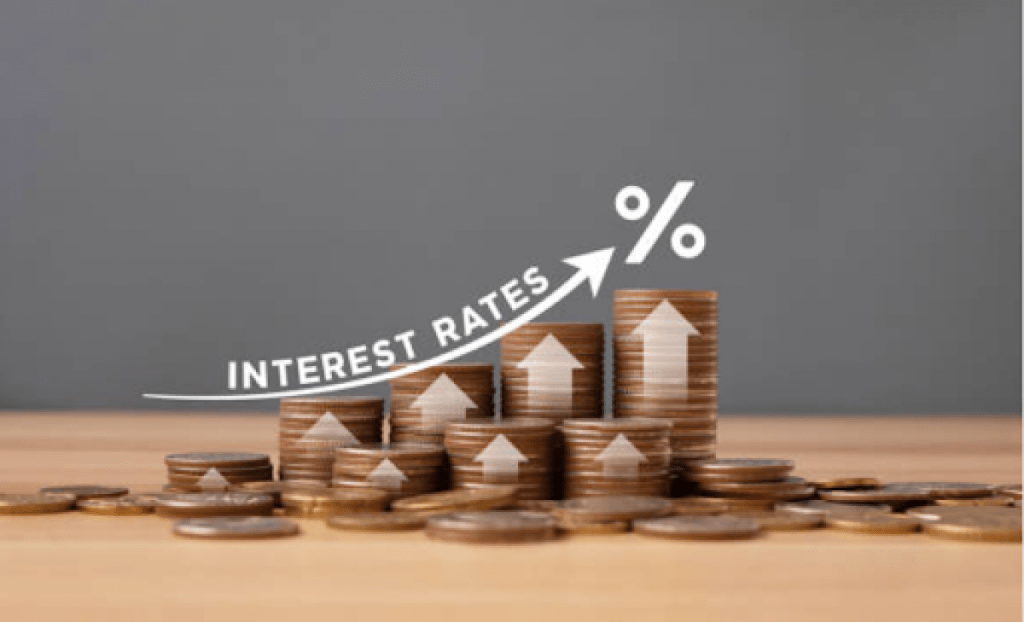
- Fixed Interest Rate: HDB loans offer a fixed interest rate, currently at 2.6% per annum. This provides stability and predictability in your monthly repayments.
- Consistent Monthly Installments: With a fixed interest rate, you can be assured of consistent monthly payments throughout the loan tenure.
- Downpayment: 25% with CPF OA savings or Cash (including CPF housing grant if eligible),
Bank Loan
- Variable Interest Rates: Bank loans often come with variable interest rates (floating rates), which can fluctuate based on market conditions. This means your monthly payments may vary over time.
- Fixed-Rate Options: While some bank loans offer fixed interest rates for a certain period, they typically revert to a floating rate after the lock-in period.
- Downpayment: 5% in cash + 20% in cash or using CPF OA savings.
Eligibility criteria for HDB Loan and Bank Loan

If you’re buying an HDB resale or BTO flat – an HDB loan comes with stricter eligibility criteria and an income ceiling.
On the other hand, bank loans don’t have an income cap, so it’s suitable for those with a higher income.
1. Income Ceiling
HDB Loan
- Couples: Your combined monthly household income must not exceed S$14,000.
- Extended Families: Your combined monthly household income must not exceed S$21,000.
- Depends on the Mortgage Servicing Ratio (MSR) – If you are buying an HDB flat, borrowers must also not exceed the Mortgage Servicing Ratio (MSR) of 30% to get a home loan.
Note: If your income exceeds these limits, you may need to consider a bank loan.
Bank Loan
- No income ceiling requirements
- Depends on your Total Debt Servicing Ratio (TDSR) or MSR – In Singapore, borrowers must not exceed the TDSR of 60%, and MSR of 30%.
2. Residential Status (For HDB Loan)
- Citizenship: At least one buyer must be a Singapore Citizen.
- Property Ownership: You must not have sold a private property within the past 30 months before applying for an HDB loan eligibility (HLE) letter.
- Commercial Property Ownership: You must not own more than one market stall, hawker stall, commercial property, or industrial property.
3. Loan Limits
HDB Loan
- You can only take up to two HDB loans in your lifetime. If you’ve already used up your two HDB loans, you must opt for a bank loan for your next property purchase.
Bank Loan
- No Limit, An individual may take as many times as they want as long as they’re eligible.
Loan Tenure and LTV

Loan Tenure
HDB Loan:
- Maximum tenure of 25 years. However, the LTV will be reduced to 55% if the loan tenure exceeds 25 years or extends beyond the borrower’s 65th birthday.
Bank Loan:
- Maximum tenure of 30 years.
Loan To Value Ratio (LTV)
Why Is Loan-To-Value Ratio Important for Property Buyers?
The Loan-to-Value (LTV) ratio is a key financial metric that significantly impacts your property purchase. A higher LTV means you can borrow more, while a lower LTV requires a larger down payment. By understanding the LTV ratio, you can make informed decisions about your financing options and secure the property you want.
1. LTV Ratio Affects Your Borrowing Power
Factors such as your income, existing debt, and age can impact your eligible LTV. The Monetary Authority of Singapore (MAS) imposes regulations on LTV ratios to ensure responsible borrowing practices.
2. LTV Ratio Impacts Your Down Payment
The Loan-to-Value (LTV) ratio is a crucial factor influencing your home-buying journey. It determines the maximum loan amount you can obtain relative to the property’s value. A higher LTV allows you to borrow more, reducing your upfront costs. Conversely, a lower LTV requires a larger down payment.
For example:
- High LTV (e.g., 80%): If you’re buying a $500,000 property with an 80% LTV, you’ll need a $100,000 down payment.
- Low LTV (e.g., 70%): With a 70% LTV, you’ll need a $150,000 down payment for the same $500,000 property.
Refinancing Your Home Loan
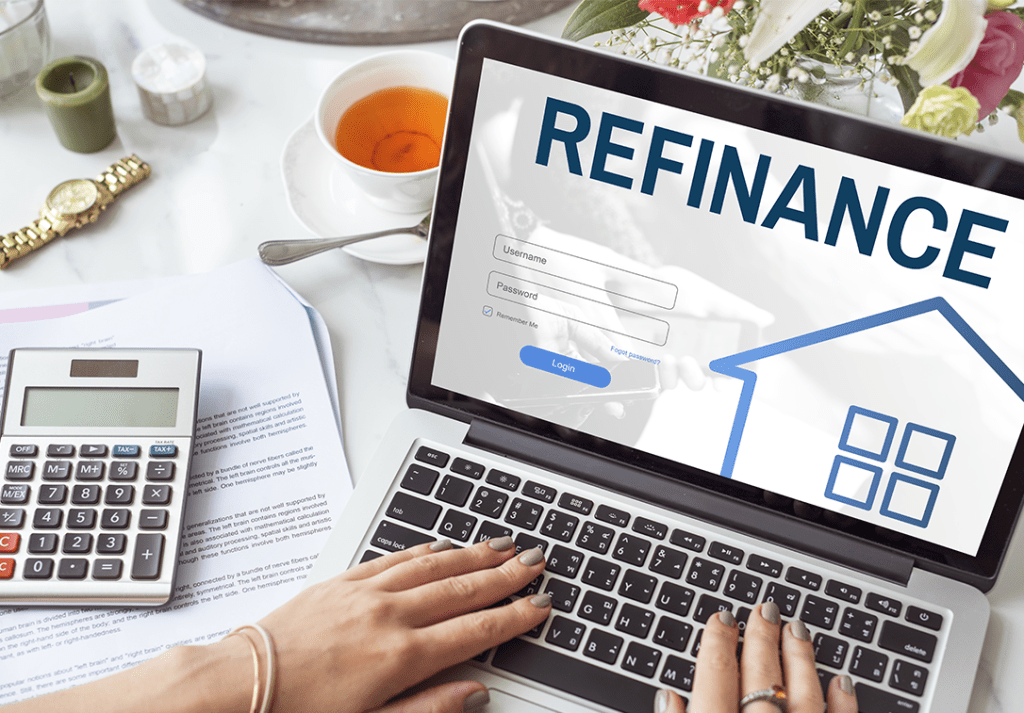
You can refinance your HDB loan to a bank loan to potentially lower your interest rate and monthly repayments. However, you cannot refinance a bank loan back to an HDB loan.
When refinancing a bank loan, you can either reprice it with your current bank or switch to a different bank to secure a more favorable interest rate.
Early Repayment & Late Payment Chargers

HDB Loan:
- No Early Repayment Penalty.
- The late payment charge rate for HDB Loan is 8.1% per annum from 1 November 2023 to 31 March 2024. The rate is reviewed bi-annually. Late payment charges will be imposed on the outstanding installment at the end of every month, rounded up to the nearest $0.05.
Bank Loan:
- An Early Repayment Penalty may Apply.
- Late payment charge rates for banks are subject to individual banks.
Note: Banks typically have stricter policies and procedures for loan defaults. If you fail to meet your loan obligations, the process leading to foreclosure may be quicker compared to HDB loans.
Navigating through the numbers and rules can be complex. We offer advice and guidance to secure your mortgage loan.
If you’re reading this and require some help in planning your finances for your next move—whether to buy, sell, or hold off. Drop us a message for a consultation that tailors to your situation.

 VIT Real Estate